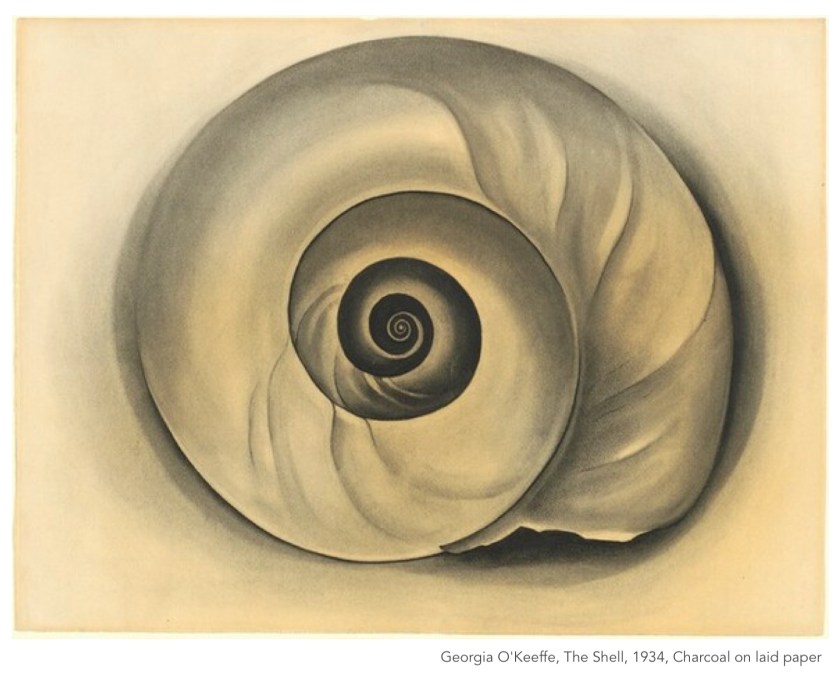
- Introductions
- Georgia O’Keeffe’s Art of Shells, Rocks, & Bones
- Reference Photos & Resources
- Drawing Tools
- Types of Line Drawings: Contour & Gesture
- Line Weight
Introductions
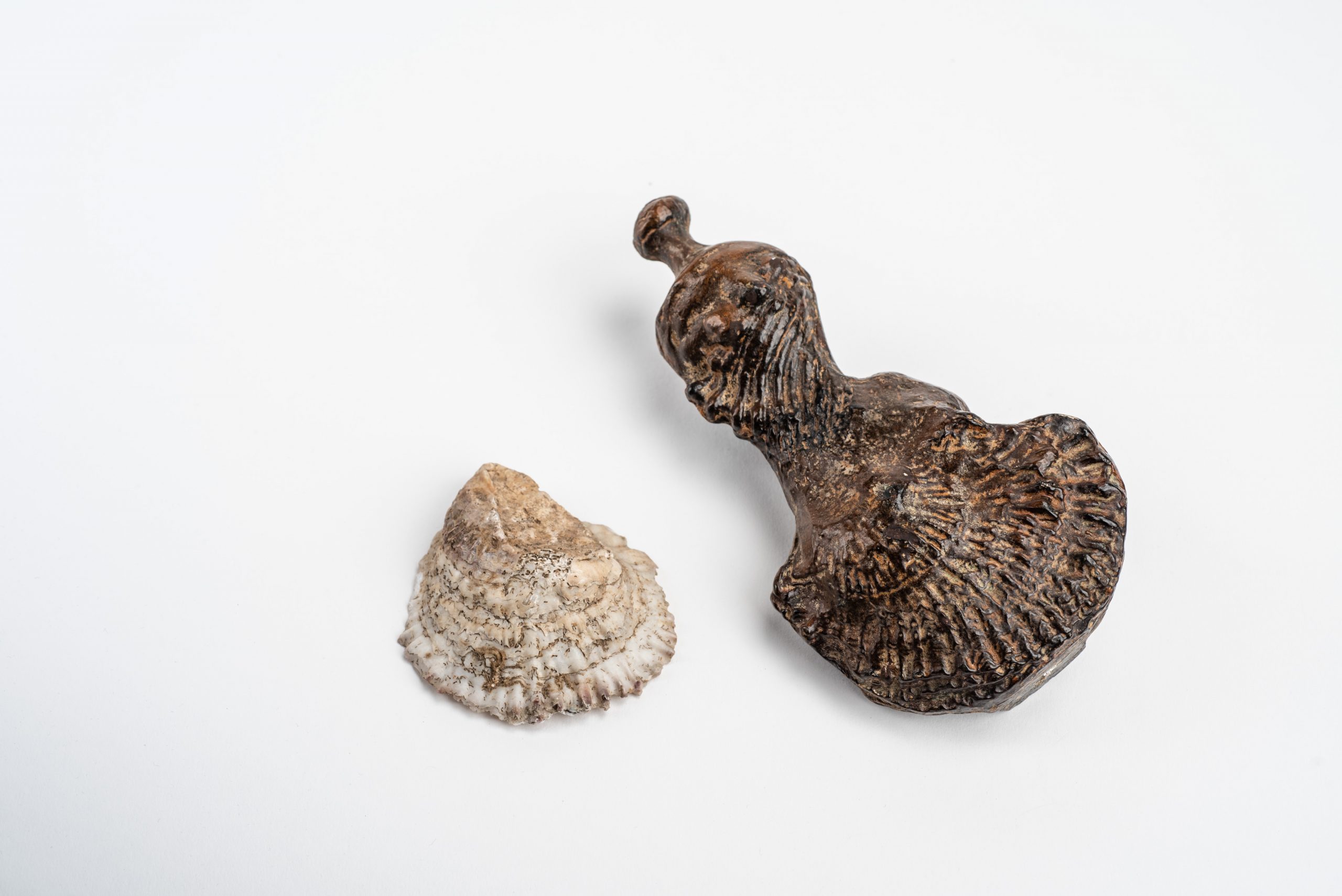
This page is a curated collection of resources for Sudeshna Sengupta’s nature study classes inspired by Georgia O’Keeffe’s iconic compositions with shells, seedpods, rocks, pebbles, bones, and other found objects from nature, especially in the high desert areas of northern NM.
O’Keeffe was drawn to the ideas of Arthur Wesley Dow, who encouraged artists to simplify the subject matter to find the essence of their forms in order to develop a personal style. An artist and educator, Dow published in 1899 Composition, a book that influenced generations of artists. O’Keeffe developed her personal vocabulary of compositional styles following some of these art principles. Organic forms and found objects in nature were some of O’Keeffe’s favorite subjects where she created her signature style of merging realism and abstraction. Although she rarely made anything look unidentifiable as a subject matter, she stylized and abstracted even her observational studies in her unique ways, often experimenting with scale, using cropping and zooming in from unusual angles much like some of the compositional elements found in traditional Japanese woodblock prints. She also approached this from the perspective of a photographer. Through her unique compositional treatment the seemingly ordinary forms in nature found extra-ordinary status, demanding the viewer’s attention, awareness, and appreciation for nature as narrated through her uniquely expressive compositional approach.
Georgia O’Keeffe’s Art of Shells, Rocks, & Bones
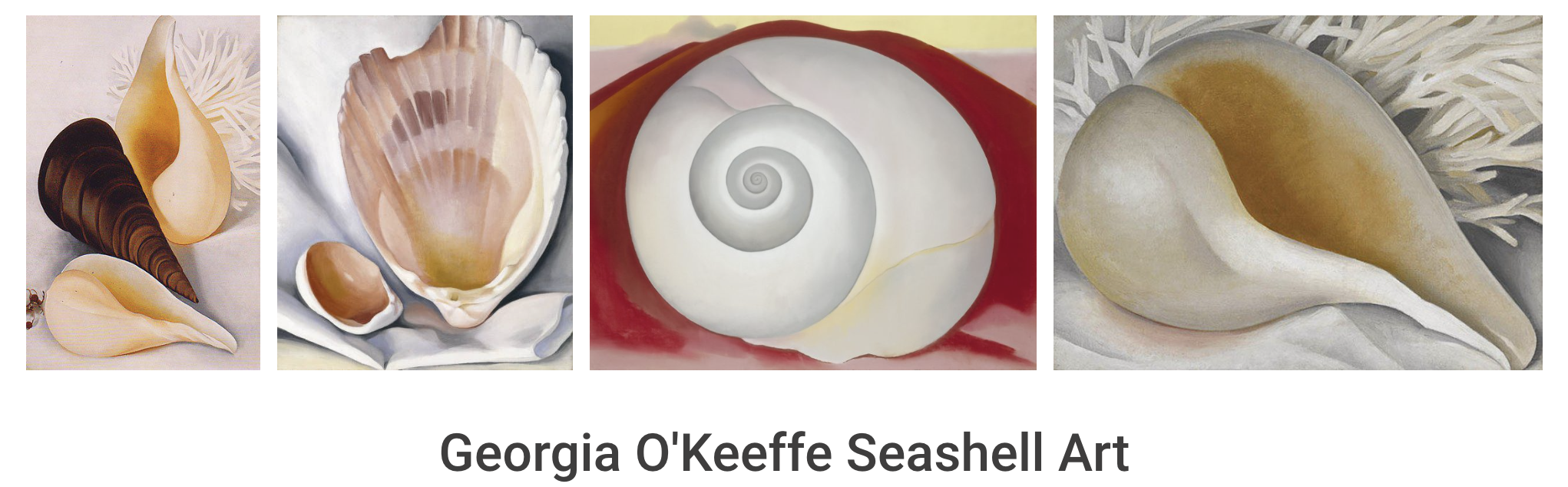
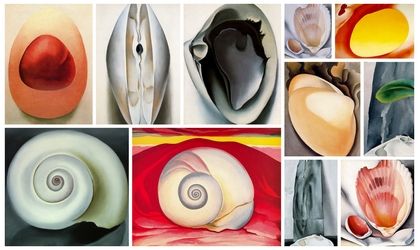
Pinterest Board compilation of images of Georgia O’Keeffe’s studies and interpretations of shells, rocks, bones, and other found objects from nature.
Links & Resources for Further Reading
“Throughout her life, Georgia O’Keeffe collected shells and rocks, leaves and bones, many of which became the subject matter of her art.”- O’Keeffe’s Shells & Bones

GEORGIA O’KEEFFE, SHELL, 1937. ESTIMATE $700,000 — 1,000,000.
Painted in 1937, Shell exemplifies O’Keeffe’s mastery of form and colour, particularly her opulent sense of white. Through subtle variations of tone paired with precise brushstrokes, O’Keeffe renders the undulating edges of the shell and creates volume to convey the tactile quality of both the shell and the surrounding coral. The work is a testament to the artist’s experimental thought process as the composition can be viewed both horizontally and vertically. – Georgia O’Keeffe’s Natural instincts
The O’Keeffe and Moore Exhibit
“Curated by Anita Feldman, The San Diego Museum of Art’s Deputy Director for Curatorial Affairs and Education, the exhibition will also travel to the Albuquerque Museum and the Montreal Museum of Fine Arts, and is accompanied by a beautifully illustrated catalogue with contributions from leading international scholars.”
” . . . the common ground between these two artists can be found in the inspiration each took from nature and their enduring association with the landscapes that were an essential part of their life’s work. Moore relocated from London to the verdant sheep fields of Hertfordshire during the Blitz in 1940, while O’Keeffe left the bustle of New York to settle permanently in New Mexico in 1949, becoming inextricably linked to the striking desert terrain. This exhibition has been assembled from national and international collections, including masterpieces from the intimate to the monumental in scale, and in materials ranging from paintings to bronze, as well as travertine, lead, elmwood, lignum vitae, and even stalactite.” – San Diego Museum of Art
“Uniting the work of Georgia O’Keeffe and Henry Moore for the first time, this exhibition explores two iconic Modernists and their parallel contributions to the artistic development.” – O’Keeffe and Moore in Ranch & Coast magazine
“Both amassed great collections over their lifetimes of animal skulls and bones, gnarled tree roots and twisted driftwood, smooth and hollowed river and flint stones, internal coils of seashells and interlocking pebbles, and drew from its vast resources daily, fusing the shapes of the human figure in plaster and terra-cotta with those of the natural world, and questioning our relationship with the environment.” – Kathaleen Roberts, Albuquerque Journal., Sept 24, 2023
Henry Moore’s Drawings inspired by found objects in nature:
“For inspiration, Moore collected pebbles, rocks, shells and bones, making drawings of them and studying them for principles of form and rhythm that would manifest in his creations. He began to open up his carvings with concavities, even piercing them with holes — a practice that the public initially found shocking since his work showed a strong suggestion to the human figure.” – Henry Moore: An Exploration Of Figure & Form
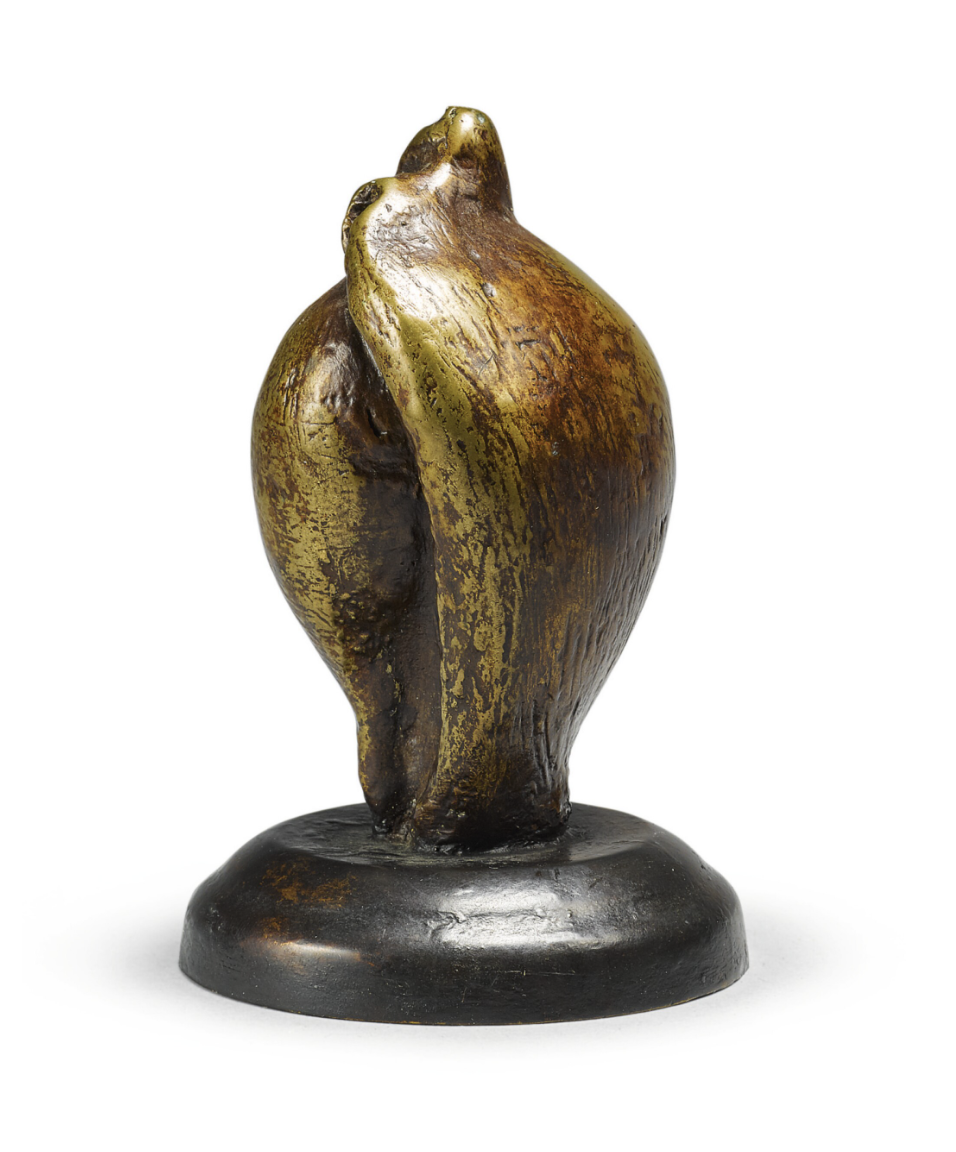
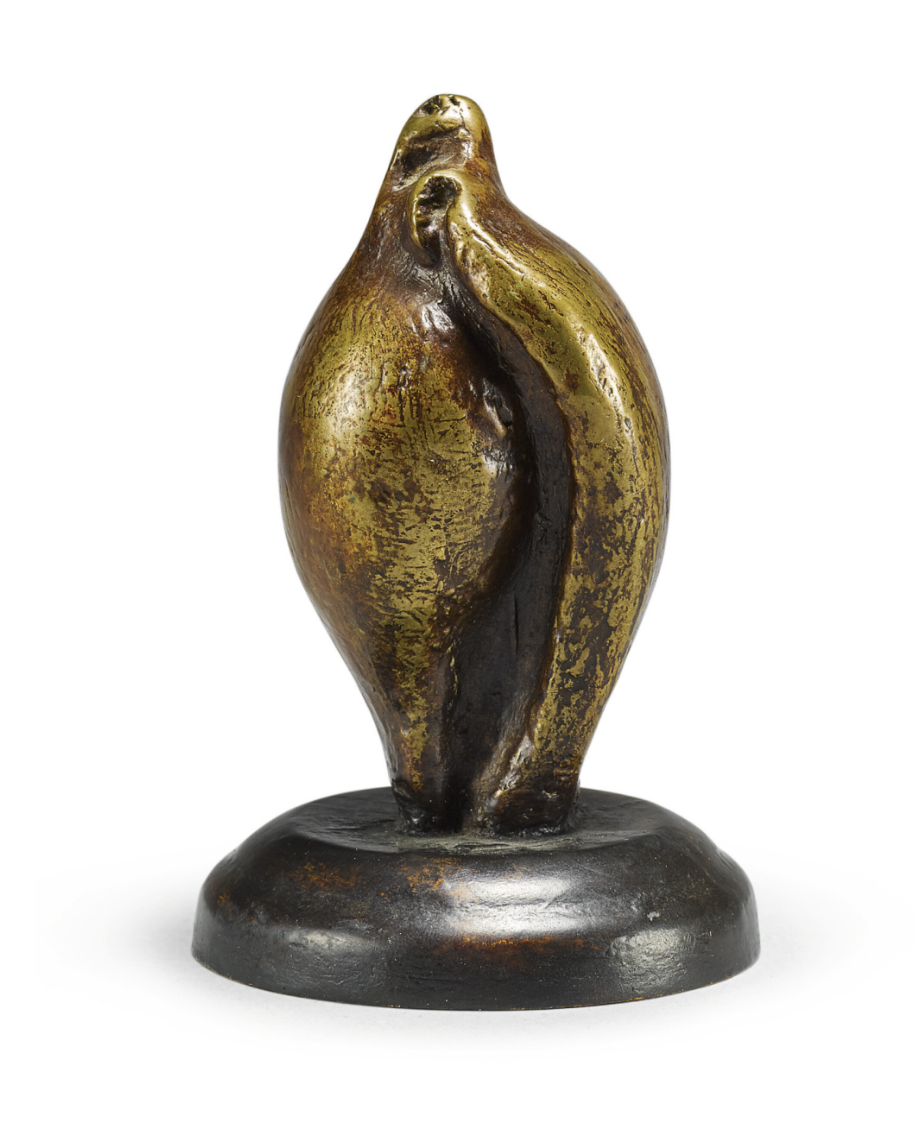
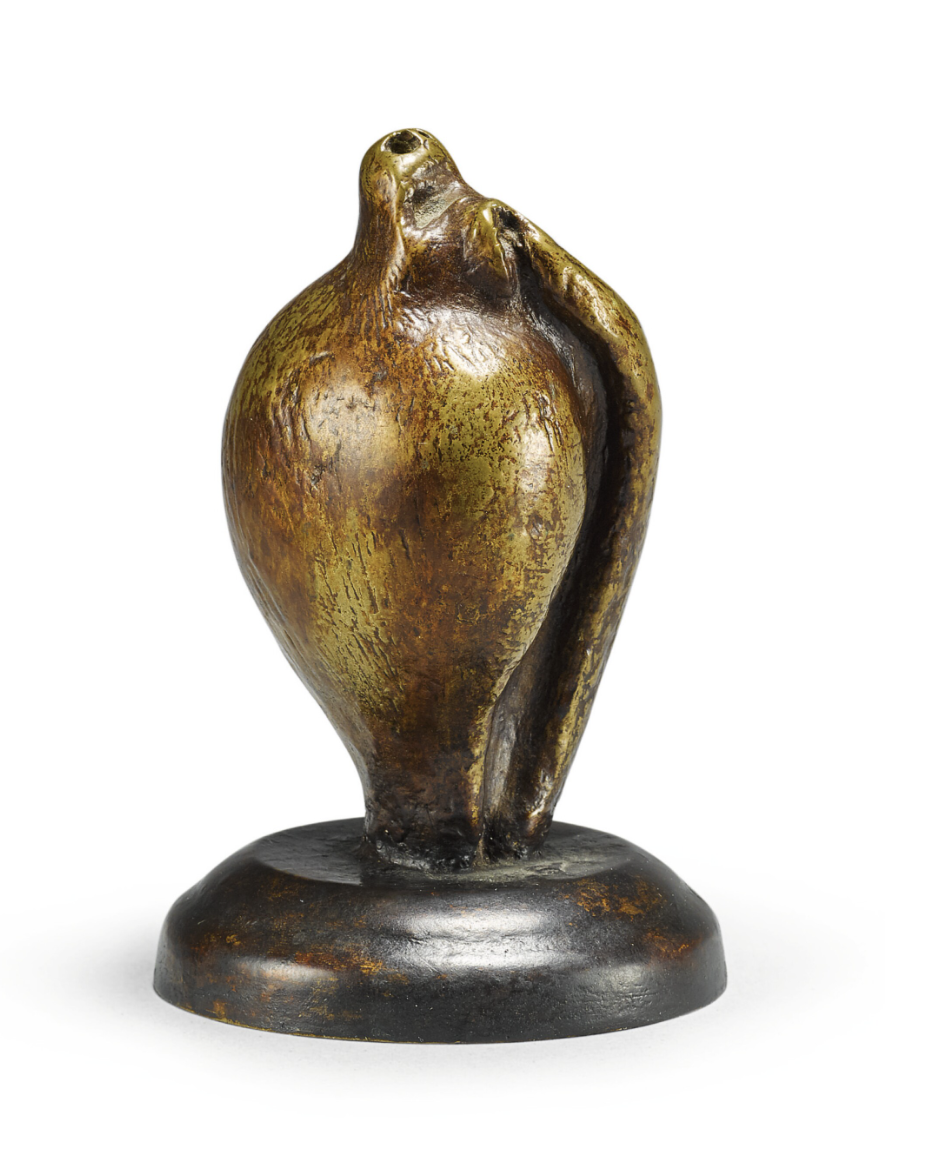
Above: Henry Moore’s Mother & Child (SMALL SHELL MOTHER AND CHILD)
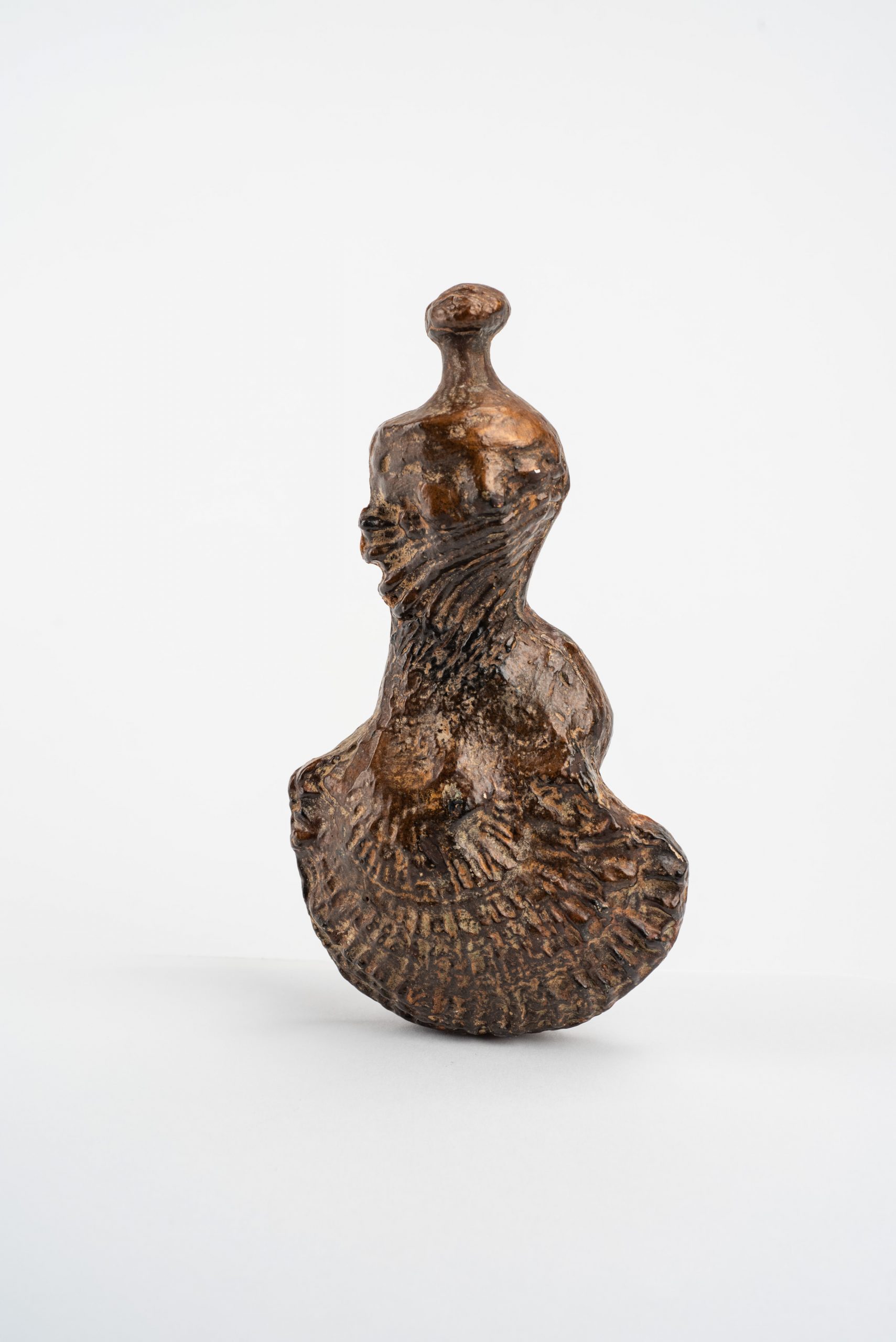
Henry Moore’s Standing Figure: Shell Skirt
Henry Moore’s Seated Woman: Shell Skirt

Reference Photos & Resources
Pinterest Board on various styles and approaches to drawing shells, pebbles, and other found objects in nature
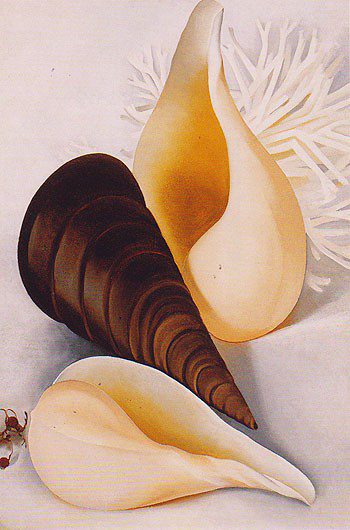
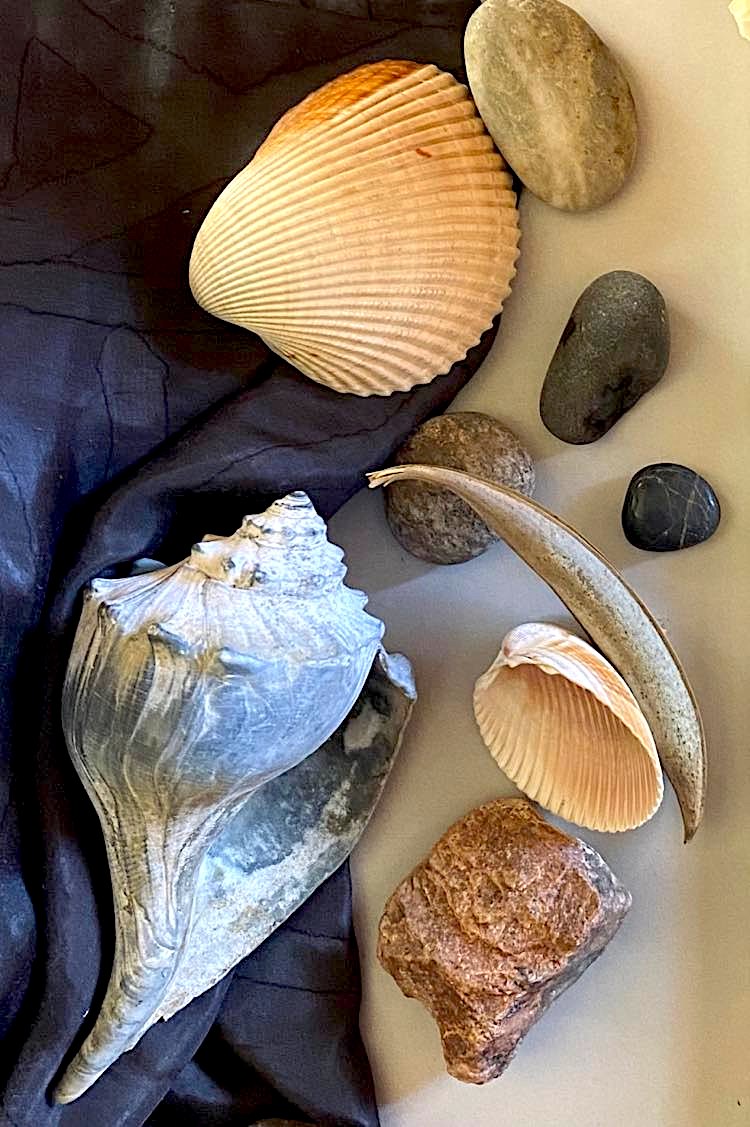
Reference photo for in-class project:


Drawing Tools
- How to prepare your pencils for the best results
- How to hold your pencilLinks to an external site.
- More on how to hold your graphite pencils and charcoal pencils correctly and their uses.
- Pencil numbering system indicates the degree of darkness and thickness of the lines they create:

Types of Line Drawings: Contour & Gesture
- Examples of various types of descriptive lines
- Examples of gesture drawing
- Intro to the basics of contour drawing and gesture drawing (video)
Line Weight
You can communicate a lot of information just by changing up the weight of your lines. You can also convey a sense of dimensionality, light, and shadow, by varying your line weight. A thin, delicate, even disappearing line might indicate a shallow edge, like a small wrinkle in a figure’s clothing. It can also indicate that the area it is contouring is an area of highlight. Thicker, heavier lines have more weight to them, and can suggest a more pronounced area of depth, or an area of shadow.
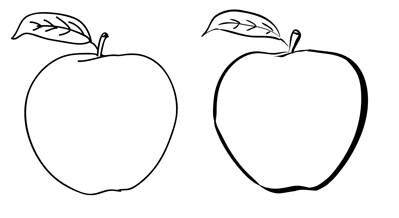
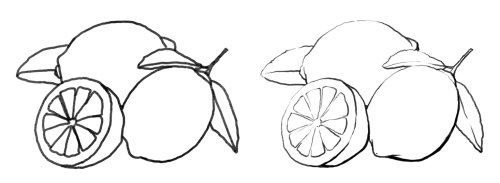
On each of these images, the drawing on the left part of the picture has uniform line weight throughout the entire drawing. The ones to the right, however, have varied line weight. All are essentially contour drawings. But notice the difference in the information and feelings expressed in the drawings utilizing varied line weight/pressure. That sense of light, dark and dimensionality is missing in the ones with lines of uniformed thickness.
For understanding this subtle but powerful quality of line you may search and look for the expressive lines usually found in various classical traditions of Far Eastern Asian, South-East Asian, and South Asian art.
A good example of what a difference line-weight makes in a drawing.
An introduction to line quality
Thin & Thick Lines
Varying line-weight to show modulation and depth:
Showing Separation Between Objects & Background Through Line Quality:
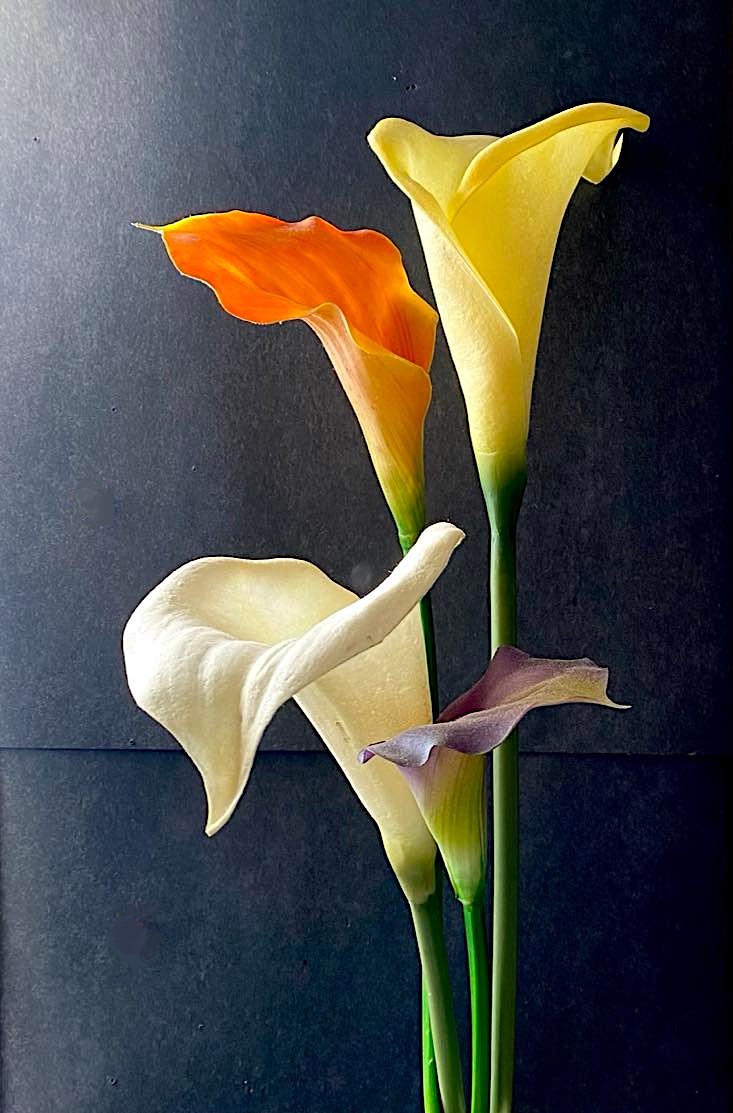
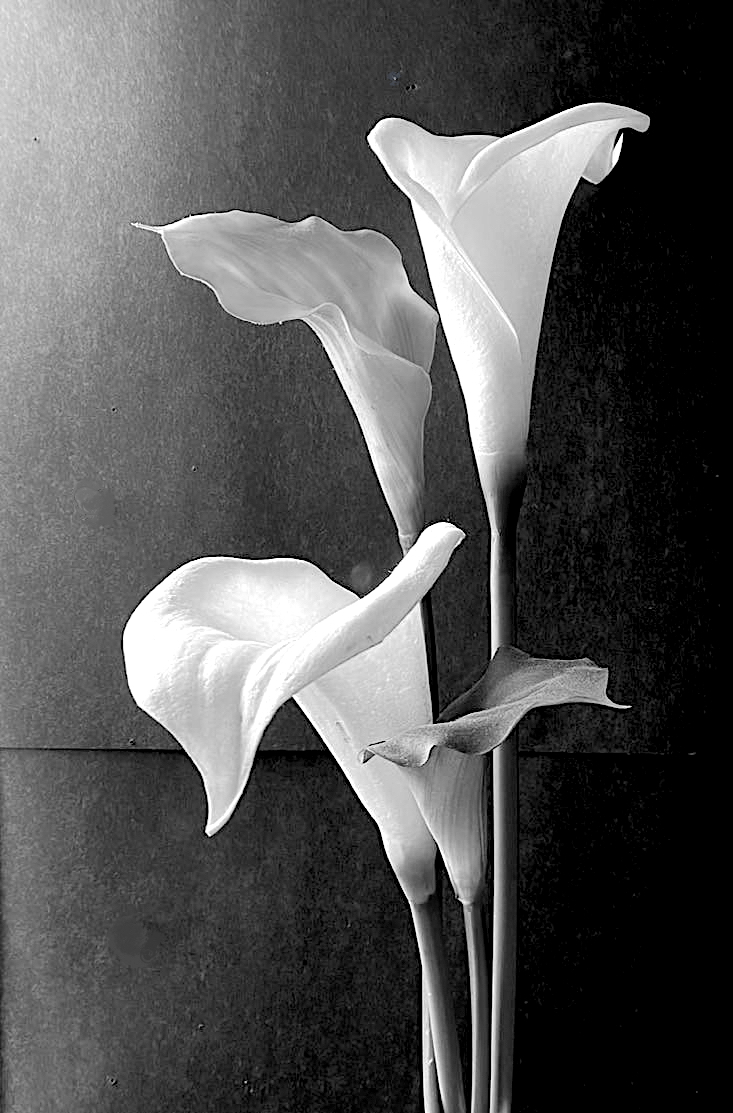
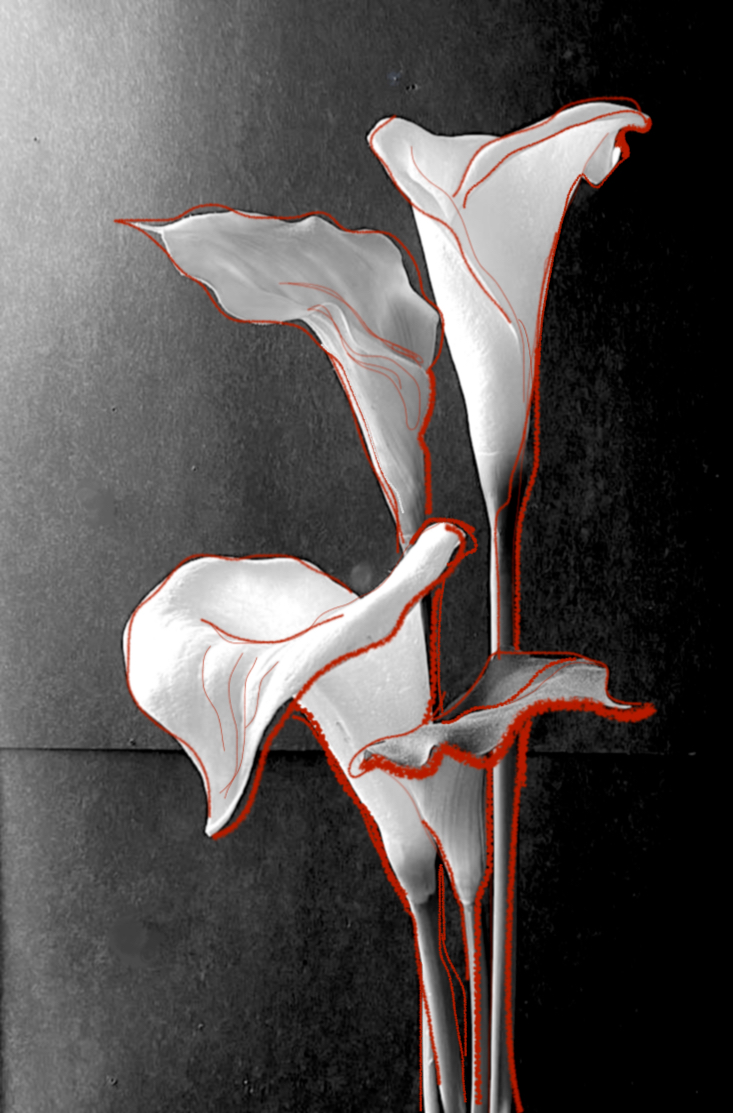
Notice the separation created by the value contrast that makes us aware of the edges of the forms we see and then imagine them as outline when we draw what we see, that is, when we translate our visual experience onto our 2D drawing or painting surface.
Notice in the image in the middle that by thinking just in terms of value-contrast, we can appreciate more the phenomenon of ‘lost and found edges’ caused by the way the light shines on the forms. Try capturing that dramatic change in the contour-definition by varying your line weight/pressure and by the rotating movement of the pencil.
Notice in the image on the extreme right column above that the areas of highlight, with light shining on them or the areas of lost edges (due to not enough contrast) are usually rendered with thinner and more delicate lines, whereas darker and thicker lines are used for designating the more contrasting areas with stronger edges or the areas with less light
Contour Drawing vs. Gesture Drawing & Mass-Gesture Drawing
Contour drawing is a basic outline drawing that’s made with care observation following the separation between the main object from its background, whereas a quick sketch capturing the overall feeling or essence of the form or forms is a gesture drawing that may even introduce some tonality into the drawing without minute details. Gesture drawing helps build your confidence and familiarity with the subject by connecting with it. The use of eraser is discouraged in the process and instead multiple lines following the surface undulations can help build a better understanding of the form(s).
Gesture drawings that go beyond the basic sketching lines and show more volume and dimension with a hint of tonality and cross-contour lines are called Mass-gesture drawings.

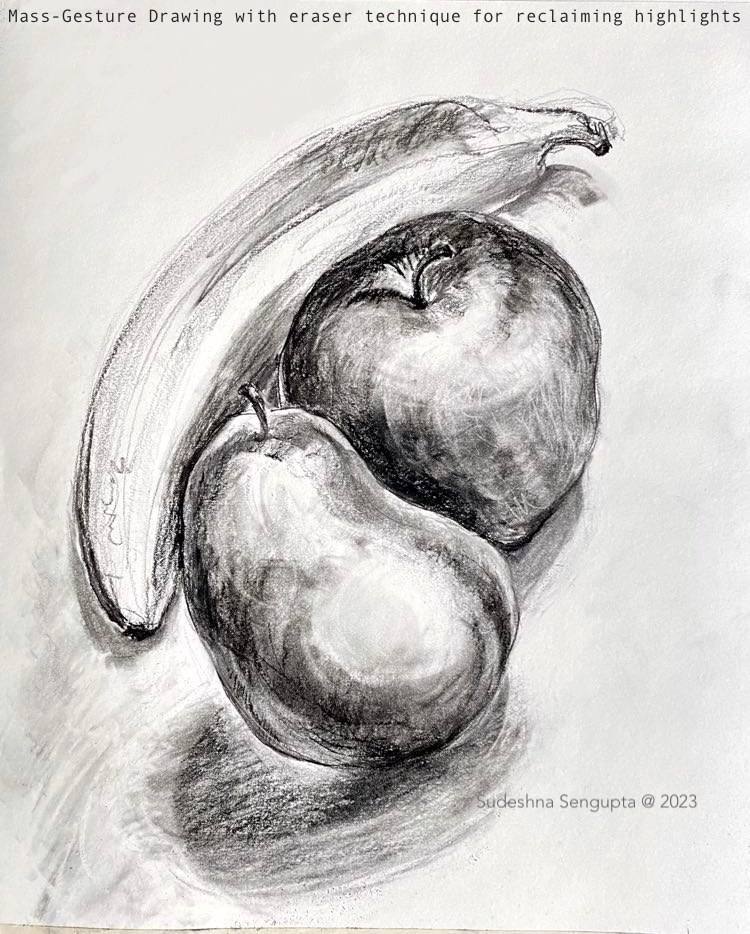
From Line Gesture to Mass-Gesture Drawing
Line Gesture to Mass-Gesture Drawing (Tonal Shading) Part 1:
Line Gesture Drawing to Mass Gesture Drawing (Tonal Shading) Part 2:
How to Draw Shells & Pebbles
Pinterest Board featuring styles, ideas, and inspirations for drawing shells, bones, rocks and pebbles.
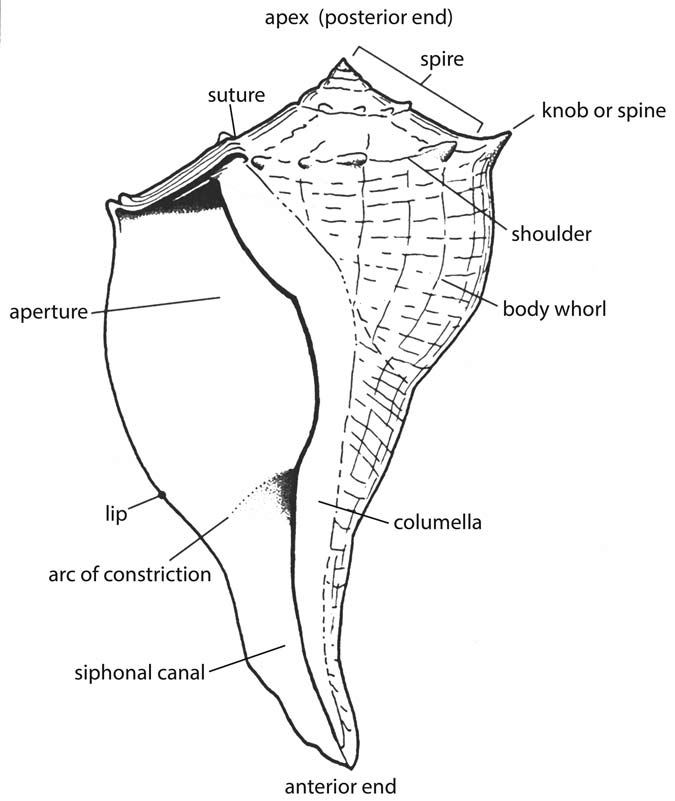
Structure of conch/Lightening Whelk shells

A step-by-step guide to drawing a shell in water-soluble pencil.
Good examples of finished drawing showing detailed tonality (shading).
Instructor contact information: SudeshnasArt@gmail.com
Instagram: https://www.instagram.com/santafe_online_art_studio

 Notes & Doodles